


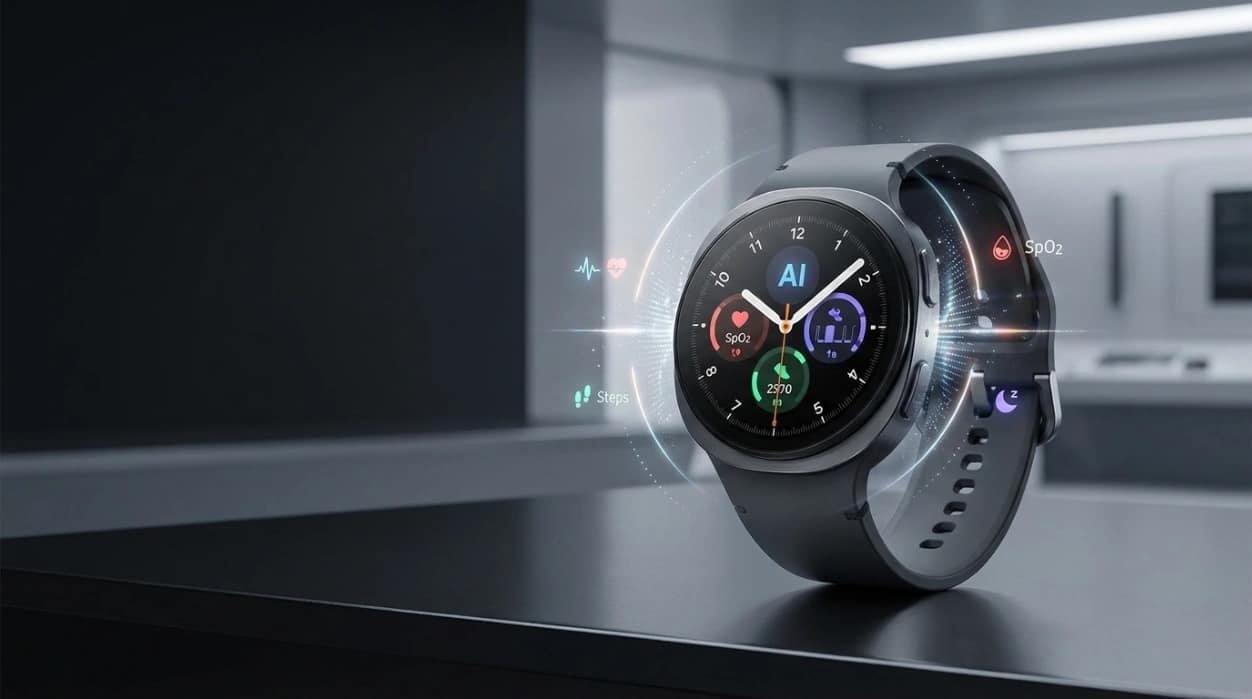
Galaxy Watch 9: 9 Things You Should Know Before Buying Samsung’s New Smartwatch
The Galaxy Watch 9 has officially arrived, and Samsung is positioning it as much more than a traditional smartwatch.
The new wearable combines everyday smartwatch functions with AI-powered health insights, fitness tracking, sleep monitoring and a new generation of Samsung Health features.
Samsung unveiled the Galaxy Watch 9 alongside the Galaxy Watch Ultra2 on July 22, and the new watches are now reaching customers in markets including Australia.
But there’s an important question for buyers:
Is the Galaxy Watch 9 actually worth buying, or is it simply another incremental smartwatch upgrade?
The answer depends heavily on what you want from a wearable.
For someone who wants continuous health and fitness tracking in a relatively comfortable everyday watch, the Galaxy Watch 9 is one of Samsung’s most interesting releases yet.
But buyers who already own a recent Galaxy Watch may have fewer reasons to upgrade.
Here’s what you need to know.
Amazon Link:
1. The Galaxy Watch 9 Is Designed Around Everyday Health
Samsung’s biggest change isn’t necessarily the watch’s appearance.
It’s the way the company wants people to use it.
The Galaxy Watch 9 is designed to remain on your wrist throughout the day and night, collecting information about activity, sleep, cardiovascular health and recovery.
Samsung describes the watch as an everyday health companion rather than simply a device for checking notifications.
The updated Samsung Health experience is organized around five areas:
- Activity
- Mindfulness
- Nutrition
- Sleep
- Vitals
That creates a much broader health ecosystem than the basic step-counting features that defined early smartwatches.
2. Samsung Is Putting AI at the Center
One of the biggest themes surrounding the Galaxy Watch 9 is artificial intelligence.
Instead of simply collecting health measurements and displaying numbers, Samsung wants its software to turn that information into recommendations that are easier to understand.
The idea is simple.
Instead of seeing:
Heart rate: 72 BPM
you increasingly want the device to help explain what your health data means in the context of your daily activity, sleep and recovery.
Samsung describes this as AI-driven health intelligence that turns biometric information into personalized guidance.
That could make wearable data considerably more useful for ordinary users.
However, it’s important to remember that smartwatch insights are not a replacement for professional medical advice.
3. The Battery Has Been Improved
Battery life is one of the biggest practical issues with smartwatches.
A beautiful display and impressive health sensors aren’t very useful if you constantly have to remove the watch to charge it.
Samsung has increased the Galaxy Watch 9 battery capacity.
The 40mm model has a 390mAh battery, and Samsung lists up to 40 hours of usage with the always-on display turned off and up to 30 hours with it turned on.
Samsung also says the Galaxy Watch 9’s 390mAh battery represents a 20% increase over the previous generation.
That’s important because overnight health and sleep tracking becomes much more practical when the watch can remain on your wrist for longer periods.
Of course, real-world battery life will vary depending on:
- GPS usage
- Display settings
- LTE connectivity
- Workout tracking
- Notifications
- Always-on display
- Health monitoring
So Samsung’s laboratory figures shouldn’t automatically be treated as everyday results.
4. It Comes in Two Sizes
The Galaxy Watch 9 comes in:
- 40mm
- 44mm
That gives buyers an important choice between a smaller, lighter design and a larger display.
The 40mm version weighs around 31.5 grams without the band, according to Samsung’s specifications.
For people who sleep wearing their smartwatch, comfort can matter more than having the biggest possible screen.
Samsung has also redesigned the band with an air-pocket structure intended to improve comfort during all-day and overnight wear.
This is an important part of the watch’s overall strategy.
The more comfortable it is, the more likely users are to actually wear it consistently.
5. Health Tracking Is One of Its Biggest Strengths
The Galaxy Watch 9 contains a wide range of sensors.
Samsung’s specifications list:
- Optical heart-rate sensor
- Electrical heart sensor
- Bioelectrical impedance analysis
- Accelerometer
- Gyroscope
- Barometer
- Temperature sensor
- Geomagnetic sensor
- Light sensor
The watch is also designed to provide information related to cardiovascular health, body composition, sleep and exercise.
This gives Samsung an opportunity to build a much more complete picture of the user’s daily activity.
But there’s an important distinction.
A wearable can measure or estimate certain signals without providing a medical diagnosis.
Users should therefore treat health features as wellness and monitoring tools unless a feature is specifically approved for medical use in their market.
6. Sleep Tracking Is Becoming a Bigger Deal
Sleep has become one of the biggest battlegrounds in wearable technology.
Instead of focusing only on how many hours you slept, modern smartwatches increasingly try to understand:
- Sleep consistency
- Sleep duration
- Recovery
- Sleep patterns
- Overnight vital signs
Samsung is making sleep part of its broader health-coaching system.
That matters because sleep affects almost every other area of daily performance.
If someone exercises regularly but consistently sleeps poorly, the most useful recommendation may not be another workout.
It may be to improve recovery.
That’s where the broader approach of the Galaxy Watch 9 becomes interesting.
7. The Galaxy Watch 9 Is More Than a Fitness Tracker
Fitness remains a major reason to buy a smartwatch.
The Galaxy Watch 9 can track workouts and activity while using its health sensors and GPS capabilities to provide more detailed information.
But Samsung is moving beyond simply counting steps and calories.
The company’s new health platform attempts to connect:
Activity + Nutrition + Sleep + Vitals + Recovery
into one overall picture.
That’s an important change in philosophy.
Instead of asking:
“How many calories did I burn?”
the technology increasingly tries to answer:
“How are my daily habits affecting my overall health and recovery?”
For people who genuinely use these insights, that could be much more valuable.
8. Galaxy Watch 9 vs Galaxy Watch Ultra2
The biggest alternative within Samsung’s new lineup is the Galaxy Watch Ultra2.
The two watches have different target audiences.
Galaxy Watch 9
Best suited for:
- Everyday users
- Fitness enthusiasts
- Sleep tracking
- General health monitoring
- People who want a slimmer everyday watch
Galaxy Watch Ultra2
Better suited for:
- Serious outdoor activities
- Adventure sports
- Longer workouts
- Users who want a more rugged design
- People who want the premium model
Samsung specifically positions the Ultra2 around demanding outdoor activities and structured training. It also adds features such as real-time hydration guidance based on estimated sweat loss during extended exercise.
The Galaxy Watch 9 therefore makes more sense for someone who wants a smartwatch that fits naturally into everyday life.
You don’t necessarily need the Ultra2 simply because it is more expensive.
9. The Biggest Question: Should You Upgrade?
This is where the Galaxy Watch 9 becomes more difficult to recommend universally.
If you’re using an older smartwatch, the upgrade can make much more sense.
You’ll gain access to newer hardware, updated health features, AI-powered insights and a more modern Samsung Health experience.
But if you already own a recent Galaxy Watch, the decision becomes more complicated.
Ask yourself:
Do you actually use health tracking?
If yes, the new health features may be useful.
Do you wear your watch overnight?
If yes, improved battery capacity and comfort become more important.
Do you exercise regularly?
If yes, the expanded fitness and recovery tools may justify upgrading.
Do you mostly use your watch for notifications?
If that’s all you need, your current smartwatch may already be sufficient.
That’s the key point.
A new generation doesn’t automatically mean you need a new watch.
What About Battery Life in the Real World?
Samsung’s official figures are useful for comparison, but buyers should be realistic.
The company lists up to 40 hours for the 40mm model with the always-on display off.
Your actual result will depend heavily on how you use the device.
GPS tracking, LTE, frequent workouts and continuous display use can all consume more power.
For someone who primarily wants sleep tracking, notifications and occasional workouts, battery performance may be more than sufficient.
For a heavy user who constantly records GPS workouts and uses the brightest display settings, charging will happen more frequently.
That isn’t unique to Samsung.
It’s one of the fundamental trade-offs of advanced smartwatches.
Is the Galaxy Watch 9 Worth Buying?
For the right user, yes.
The strongest argument for the Galaxy Watch 9 isn’t that it completely reinvents the smartwatch.
It doesn’t.
Instead, Samsung is gradually making the smartwatch more useful as an everyday health companion.
The combination of:
AI + health tracking + sleep + fitness + Samsung Health
is where the product becomes interesting.
The hardware improvements matter, but the software ecosystem could ultimately be more important.
If Samsung can turn complicated health information into recommendations that ordinary people can understand and act on, the watch becomes much more valuable than a simple notification device.
Who Should Buy the Galaxy Watch 9?
The Galaxy Watch 9 makes the most sense for someone who:
- Uses an Android smartphone
- Wants detailed health tracking
- Exercises regularly
- Wants sleep monitoring
- Likes Samsung’s ecosystem
- Wants AI-assisted health insights
- Plans to wear the watch throughout the day
It’s especially attractive to users who want a relatively practical smartwatch rather than an oversized adventure watch.
Who Should Skip It?
You may want to skip the Galaxy Watch 9 if:
- You already own a recent Galaxy Watch
- You rarely use fitness features
- You don’t care about health tracking
- You dislike charging wearables
- You primarily want basic notifications
- You use an incompatible smartphone ecosystem
The watch’s value depends heavily on whether you’ll actually use its advanced features.
Buying an expensive smartwatch just to read WhatsApp notifications doesn’t make much sense.
The Bigger Trend: Smartwatches Are Becoming Health Computers
The Galaxy Watch 9 is part of a much larger change.
The smartwatch industry is moving toward continuous health monitoring.
That means future wearables are likely to become increasingly focused on:
- Sleep
- Recovery
- Cardiovascular health
- Nutrition
- Exercise
- AI coaching
- Personalized recommendations
The goal is no longer simply to tell you what happened.
It’s increasingly about helping you understand why it happened and what you might do next.
Samsung’s latest watches clearly reflect this direction.
That could eventually make wearable technology much more useful than today’s notification-focused smartwatches.
The Light Span Perspective
The Galaxy Watch 9 isn’t revolutionary because it suddenly turns a smartwatch into a completely different device.
Its significance is more subtle.
Samsung is turning the watch into a continuous personal health platform.
The hardware collects information.
Samsung Health organizes it.
AI attempts to interpret it.
And the user receives recommendations.
That is the direction wearable technology is heading.
For someone buying their first serious smartwatch, the Galaxy Watch 9 offers a compelling combination of health, fitness, comfort and everyday features.
For existing Galaxy Watch owners, however, the upgrade decision is less obvious.
The best reason to buy it isn’t simply that it’s new.
It’s whether its improved health monitoring, AI features and battery improvements solve something your current watch doesn’t.
And that may be the most important lesson for buyers:
Don’t buy the Galaxy Watch 9 because Samsung says it’s smarter. Buy it if the features make your daily life better.
FAQs
What is the Galaxy Watch 9?
The Galaxy Watch 9 is Samsung’s 2026 mainstream flagship smartwatch, designed around health monitoring, fitness, sleep tracking, AI-powered insights and everyday smartwatch functions. Samsung offers it in 40mm and 44mm sizes.
How long does the Galaxy Watch 9 battery last?
Samsung lists up to 40 hours of usage for the 40mm model with the always-on display turned off and up to 30 hours with it turned on. Actual battery life depends on usage.
Does the Galaxy Watch 9 have AI features?
Yes. Samsung positions the Galaxy Watch 9 around AI-powered health intelligence designed to turn biometric data into more personalized guidance.
Is the Galaxy Watch 9 good for fitness?
Yes. Samsung has built the watch around activity, exercise, recovery and health monitoring, making fitness one of its major use cases.
Is the Galaxy Watch 9 better than the Galaxy Watch Ultra2?
Not necessarily. The Galaxy Watch 9 is aimed more at everyday health and fitness, while the Ultra2 is designed for demanding outdoor activities and specialized training.
Does the Galaxy Watch 9 replace a doctor?
No. Its health features are designed for monitoring and wellness guidance and should not be treated as a substitute for professional medical advice.
Continue reading more

